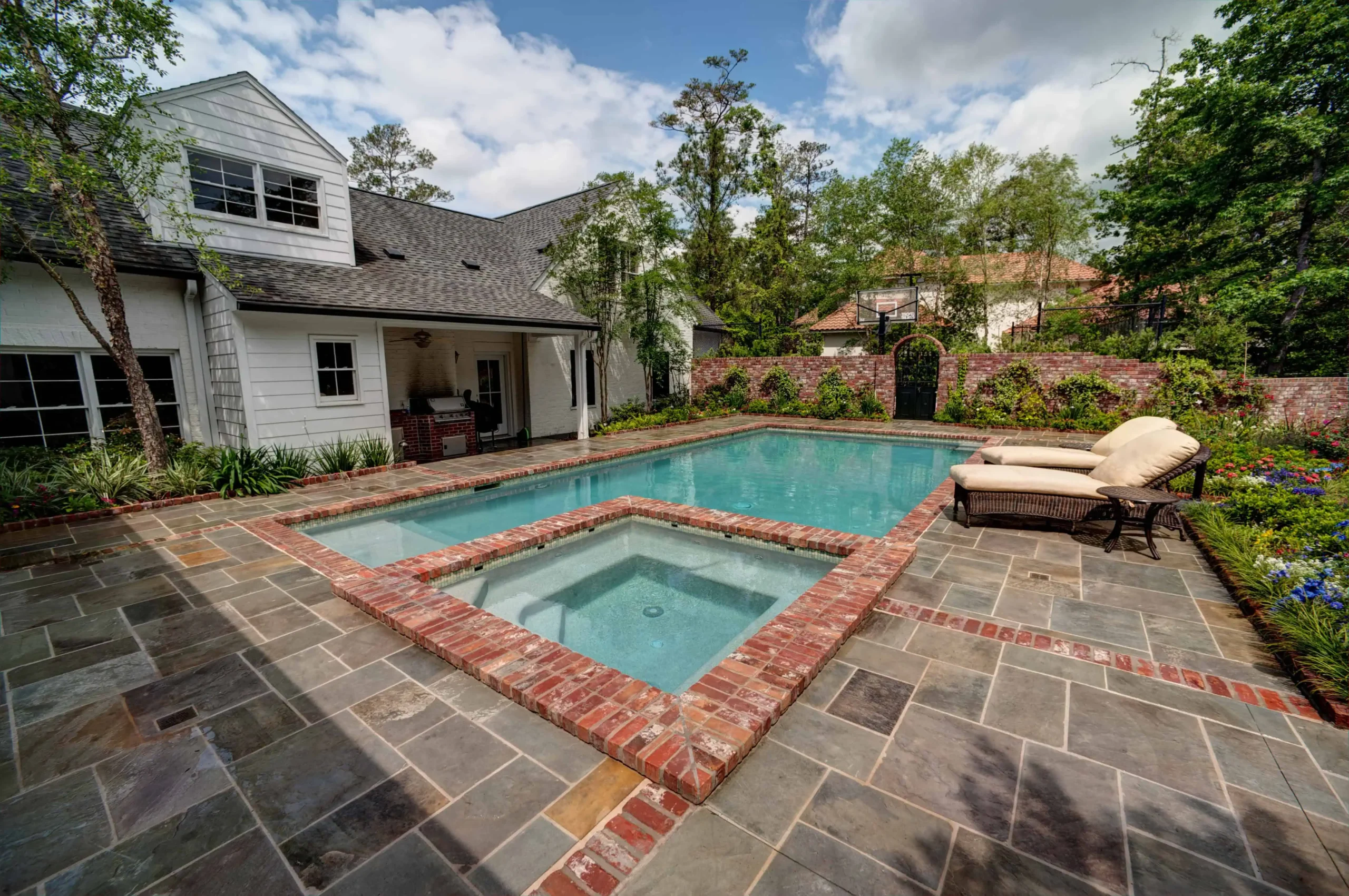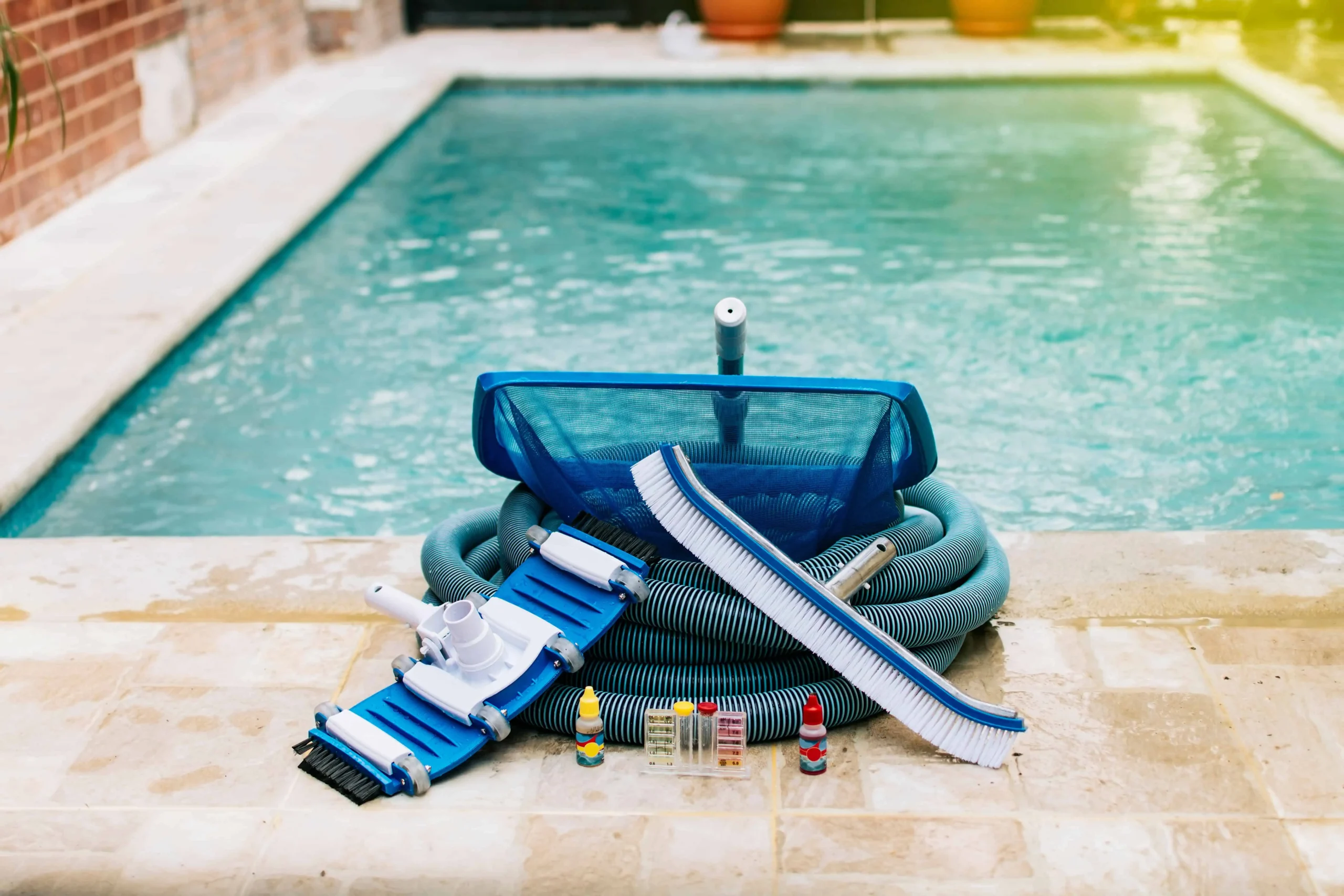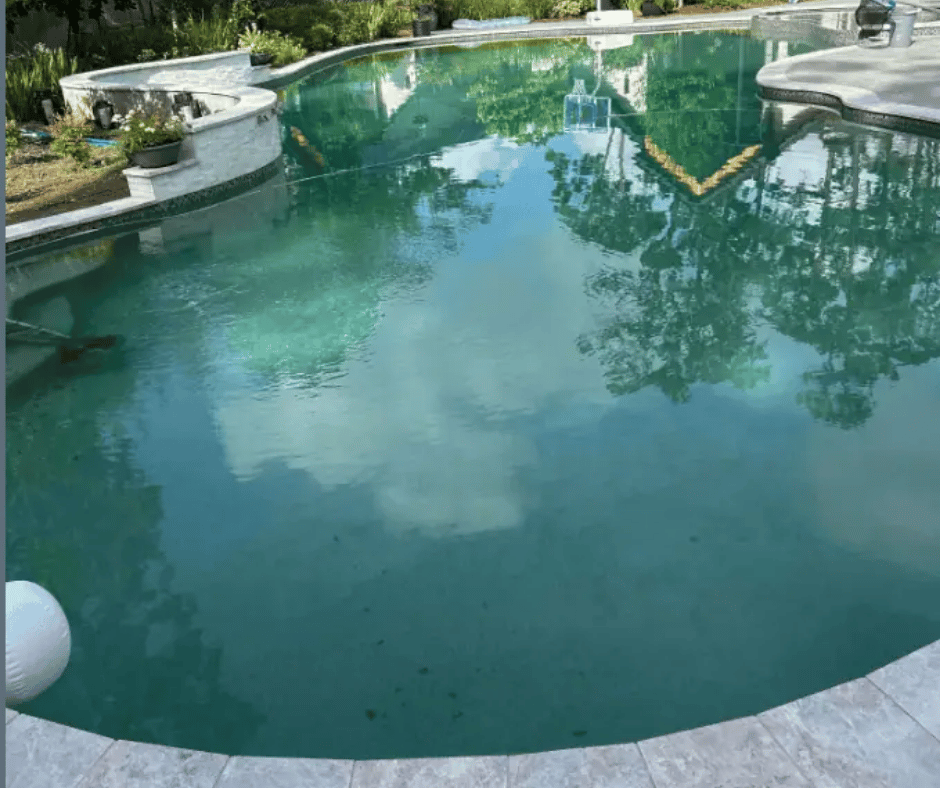
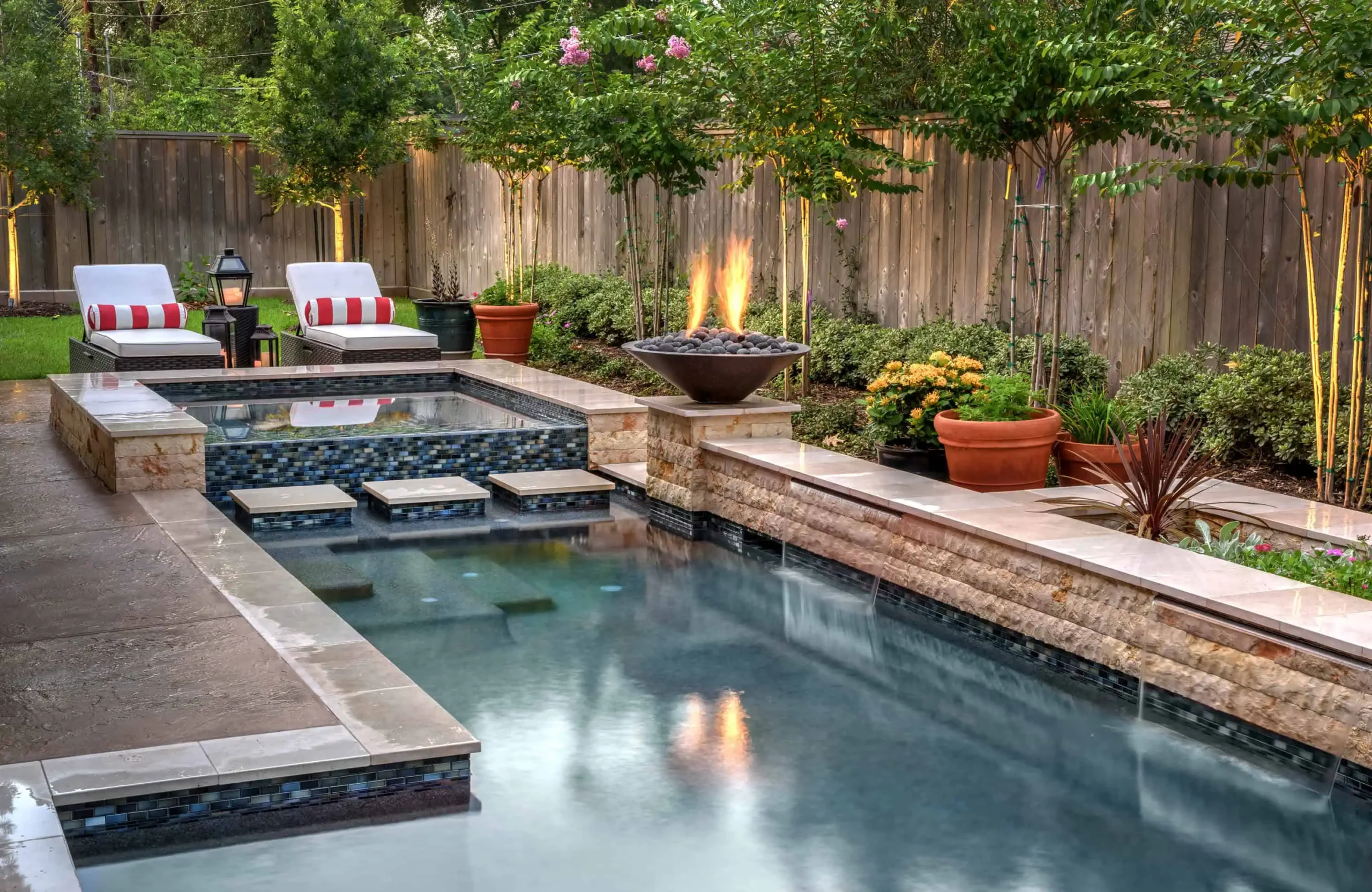
One of the first questions Houston homeowners ask when they start thinking about a pool remodel is simple: how much is this going to cost?
It’s a fair question, and unfortunately, the answer you’ll find on most websites is vague. “It depends” isn’t helpful when you’re trying to decide whether to move forward, how much to budget, or whether the quote you received is reasonable.
This guide is different. We’ve built it from actual project experience across the Houston market, including Cypress, Bellaire, River Oaks, Memorial, the Energy Corridor, Katy, Spring Branch, and surrounding communities. Every price range reflects what Houston homeowners are realistically paying in 2026 for materials, labor, and permitting in this specific market.
Whether you’re considering a straightforward resurfacing or planning a full backyard transformation, this guide will help you understand what each component costs, what drives those costs up or down, and how to get the most value from your budget for pool remodeling in Houston.
Quick Cost Overview: Houston Pool Remodeling in 2026
Before diving into the details, here’s a high-level summary of what Houston homeowners can expect to pay for the most common pool remodeling projects in 2026. These ranges assume a standard residential in-ground pool of 12,000 to 20,000 gallons.
- Basic replastering (white plaster): $5,000 to $10,000
- Quartz finish resurfacing: $8,000 to $15,000
- Pebble finish resurfacing (Pebble Tec, Pebble Sheen, or similar): $12,000 to $22,000
- Waterline tile replacement: $2,000 to $6,000
- Full tile interior: $25,000 to $50,000+
- Coping replacement: $3,000 to $8,000
- Pool deck resurfacing: $5,000 to $18,000
- Pool deck replacement (full tear-out and repour or pavers): $15,000 to $40,000
- Equipment upgrade package (pump, filter, automation): $4,000 to $12,000
- Variable-speed pump installation: $1,500 to $3,500
- LED lighting upgrade: $800 to $2,500
- Saltwater conversion: $1,500 to $3,500
- Water feature addition (sheer descent, deck jets, or fountain): $2,500 to $10,000
- Rock waterfall with grotto: $8,000 to $25,000
- In-ground spa addition: $15,000 to $35,000
- Sun shelf or tanning ledge addition: $5,000 to $15,000
- Full pool renovation (surface, deck, equipment, features): $35,000 to $100,000+
These numbers are market averages. Your actual cost depends on pool size, current condition, material selections, site access, and the contractor you choose.
Resurfacing and Finish Costs
The pool surface is the most common starting point for a Houston pool remodel, and for good reason. It’s the most visible element, it directly affects how the pool feels to swim in, and in Houston’s harsh climate, it’s the component that deteriorates fastest.
White Plaster: $5,000 to $10,000
Standard white plaster is the most affordable resurfacing option. It provides a clean, classic look and is the baseline finish most Houston pools were originally built with. In terms of longevity, expect 7 to 10 years before the surface begins to roughen, stain, or show signs of etching.
The lower end of this range applies to smaller pools (under 300 square feet of surface area) with straightforward access and no structural repair needed. The higher end covers larger pools, pools requiring bond coat preparation, or situations where existing plaster needs significant removal before reapplication.
Plaster is a perfectly acceptable choice for homeowners on a tight budget or those planning to sell within 5 years. For anyone staying long-term, the cost difference between plaster and a more durable finish is worth considering when you factor in the replastering cycle.
Quartz Finishes: $8,000 to $15,000
Quartz-based finishes like QuartzScapes blend quartz aggregate with white cement to produce a surface that’s harder, more stain-resistant, and longer-lasting than standard plaster. Expect 12 to 15 years of life from a quality quartz application in Houston’s climate.
The quartz aggregate also gives the finish a subtle sparkle and a broader color range than plain plaster. Popular choices in the Houston market include Caribbean blue, French gray, and midnight blue.
For Houston homeowners, quartz represents the sweet spot between affordability and longevity. The 20 to 30 percent premium over plaster buys you an extra 5 to 7 years of surface life, which usually makes it the better value over a 15-year window.
Pebble Finishes: $12,000 to $22,000
Premium pebble finishes like Pebble Tec, Pebble Sheen, and Pebble Fina are the top tier of pool resurfacing. Small stones or pebbles embedded in the cement create an extremely durable, naturally textured surface that resists staining, holds color exceptionally well, and can last 20 years or more with proper pool maintenance.
Pebble finishes offer the widest range of colors and visual effects, including the dark charcoal and earth-tone palettes driving current pool remodeling trends in the Houston area. They also feel different underfoot, with a natural stone texture that many homeowners prefer over smooth plaster.
The cost premium is significant, but when you calculate cost per year of surface life, pebble finishes often come out equal to or better than plaster over a 20-year period. For Houston homeowners planning to stay in their home long-term, pebble is almost always the smarter investment.
Waterline Tile: $2,000 to $6,000
Waterline tile runs along the top 6 inches of the pool wall at the water’s surface. It serves both an aesthetic and practical purpose: it’s the area most prone to calcium scale, chemical staining, and algae buildup, and quality tile is far easier to maintain than exposed plaster or aggregate.
Standard ceramic tile runs $2,000 to $3,500 installed. Glass tile, which offers better durability, a wider color range, and a more contemporary look, runs $3,500 to $6,000. Iridescent glass tile is the premium option and pairs especially well with dark-bottom pool finishes.
If you’re resurfacing your pool, replacing the waterline tile at the same time is strongly recommended. The labor overlap saves money compared to doing it as a separate project later, and new tile against old plaster (or vice versa) always looks mismatched.
Coping Replacement: $3,000 to $8,000
Coping is the cap material along the top edge of the pool wall where the deck meets the water. It takes constant abuse from sun, foot traffic, pool chemicals, and Houston’s clay soil movement. Cracked, shifted, or outdated coping is a common trigger for a remodel.
Poured concrete coping is the most affordable option. Natural stone (travertine, limestone, flagstone) and manufactured pavers are premium options that offer better aesthetics and individual replaceability if a section is damaged. Travertine coping has become the standard choice in Houston’s luxury pool market for its natural look and cool-to-the-touch surface.
Deck Resurfacing and Replacement Costs
The pool deck accounts for 60 to 70 percent of the visual impression of your entire pool area. An outdated, cracked, or faded deck undermines even the most beautiful pool surface.
Deck Resurfacing: $5,000 to $18,000
Resurfacing applies a new finish over your existing concrete deck without tearing it out. This is viable when the underlying concrete is structurally sound but visually tired.
Cool deck and spray texture coatings ($5,000 to $10,000) are the most common resurfacing choice in Houston. These coatings add a textured, slip-resistant surface that stays noticeably cooler underfoot than bare concrete, which is a genuine quality-of-life upgrade when your deck surface hits 150 degrees in July.
Stamped concrete overlays ($8,000 to $15,000) can replicate the look of natural stone, brick, or tile patterns at a fraction of the cost of actual stone installation.
Acrylic deck coatings ($6,000 to $12,000) offer good durability and a wide range of color and pattern options. They hold up reasonably well in Houston’s UV and humidity, though they typically need recoating every 7 to 10 years.
Deck Replacement: $15,000 to $40,000
When the existing deck is cracked, settled, or structurally compromised (common in Houston due to expansive clay soil), a full tear-out and replacement may be necessary.
Poured concrete with cool deck finish ($15,000 to $25,000) is the standard replacement approach. It allows for proper grading, drainage correction, and a fresh structural foundation.
Paver installation ($20,000 to $40,000) using travertine, brick, or manufactured pavers is the premium option. Pavers flex with soil movement instead of cracking, are individually replaceable if damaged, and stay cooler underfoot than poured concrete. The higher upfront cost is offset by lower long-term maintenance and a significantly more polished visual result.
Houston’s clay soil is a major factor in deck costs. Soil movement causes concrete slabs to heave, settle, and crack over time, and addressing the underlying drainage and soil conditions during a deck replacement adds cost but prevents repeating the same problem in 5 to 10 years.
Equipment Upgrade Costs
Pool equipment is the mechanical backbone of your pool. Outdated equipment costs more to run, breaks down more frequently, and performs worse than modern alternatives. Equipment upgrades are among the highest-ROI components of a pool remodel because they directly reduce your monthly operating costs.
Variable-Speed Pump: $1,500 to $3,500
Replacing an old single-speed pump with a variable-speed model is one of the best investments you can make. Variable-speed pumps adjust motor speed to match the task, running at low speed for daily filtration and ramping up for features or vacuuming. The energy savings are dramatic: up to 90 percent reduction in pump energy consumption compared to a single-speed.
For Houston homeowners running a pump 10 to 12 hours per day in summer, a variable-speed pump typically saves $50 to $100 per month on electricity. Most units pay for themselves within 2 to 3 years. Texas utility rebate programs through CenterPoint Energy and other providers may offset part of the upfront cost.
The lower end of the price range covers basic models with limited speed settings. The higher end includes premium units from Pentair, Hayward, and Jandy with built-in automation compatibility, Wi-Fi connectivity, and advanced diagnostics.
Filter Upgrade: $1,500 to $4,000
If you’re upgrading your pump, it’s worth evaluating your filter at the same time. An oversized, high-efficiency filter paired with a variable-speed pump creates a system that delivers better water clarity at lower operating cost.
For Houston pools, Cabana Pools Aquatech recommends upgrading to a sand filter with volcanic ash media. Volcanic ash filters down to 2 to 5 microns, which is comparable to DE filtration without the ongoing maintenance of recharging DE powder. The media is permanent, eliminating the recurring cost of cartridge replacements or DE additions. For Houston pools that deal with persistent algae and debris challenges, this filtration upgrade can be the single most impactful equipment change you make.
Heater: $3,000 to $6,000
For Houston pool owners who want to extend their swim season comfortably into the cooler months, a gas heater is the most effective option. Cabana Pools Aquatech recommends a 400,000 BTU gas heater as the most efficient residential choice. A larger heater heats your pool faster, runs for shorter cycles, and actually costs less to operate per heating session than a smaller unit that has to run longer to reach the same temperature.
At the lower end of this range, you’ll find 250,000 to 300,000 BTU models that are adequate for smaller pools. At the higher end, 400,000 BTU units with high-efficiency ratings cover the full range of residential pool sizes and deliver the fastest heat-up times.
Pool Automation System: $2,000 to $5,000
Modern automation systems from Pentair, Hayward, and Jandy allow you to control your pump, heater, lighting, water features, and chlorinator from a smartphone app. You can set schedules, adjust temperatures, monitor system status, and receive alerts when something needs attention.
Basic automation panels that control pump and heater start around $2,000 installed. Full-featured systems with touchscreen interfaces, Wi-Fi, integration with multiple pieces of equipment, and compatibility with smart home platforms (Google Home, Alexa) run $3,500 to $5,000.
For Houston homeowners who travel or simply want less hands-on pool management, automation reduces the daily burden significantly and pairs well with professional weekly pool service for a virtually hands-free pool experience.
LED Lighting: $800 to $2,500
Replacing old incandescent pool lights with modern LED fixtures is one of the lowest-cost, highest-impact upgrades available. LED lights use up to 75 percent less energy, last 5 to 10 times longer, and offer full-color programmability that transforms the pool’s appearance at night.
A single LED light replacement runs $800 to $1,200. Full multi-light systems with color synchronization and automation integration run $1,500 to $2,500. If you’re already installing an automation system, integrating your lights at the same time adds minimal incremental cost.
Saltwater Conversion: $1,500 to $3,500
Converting from a traditional chlorine system to a saltwater chlorine generator is one of the most popular equipment upgrades in the Houston market. The generator produces chlorine from dissolved salt in the water, resulting in softer-feeling water with less chlorine smell and less skin and eye irritation.
The salt cell itself typically costs $800 to $1,500, with installation, plumbing modifications, and initial salt purchase bringing the total to $1,500 to $3,500. Salt cells last 3 to 7 years before requiring replacement, and the ongoing chemical cost is generally lower than traditional chlorine.
Water Feature and Add-On Costs
Water features and structural additions are where a pool remodel moves from maintenance into transformation. These upgrades change how the pool looks, sounds, and functions, and they’re among the most visually impactful investments you can make.
Sheer Descent Waterfalls: $2,500 to $6,000
A sheer descent is a smooth, clear sheet of water that falls from a raised wall, spillway, or elevated spa. It creates a clean, contemporary visual and a soothing sound. Installation requires plumbing, a dedicated pump or dedicated speed on your variable-speed pump, and a raised structure to house the spillway.
Deck Jets and Bubblers: $1,500 to $4,000
Deck jets create arching streams of water that shoot from the pool deck into the pool. Bubblers are small fountains installed on sun shelves or shallow ledges. Both are family favorites, relatively affordable, and integrate easily into an existing pool layout. Most installations include 4 to 6 jets at $250 to $500 per jet installed.
Rock Waterfall with Grotto: $8,000 to $25,000
A full rock waterfall, whether natural stone or manufactured rock, is one of the most dramatic additions you can make. Basic single-tier waterfalls start around $8,000. Multi-tier waterfalls with swim-under grottos, integrated lighting, and slide features can run $15,000 to $25,000 or more depending on scale and materials.
This is a project where contractor experience matters enormously. A poorly designed rock waterfall looks artificial and can create structural and plumbing problems that are expensive to fix. Ask to see completed waterfall projects in the Houston area before committing.
In-Ground Spa Addition: $15,000 to $35,000
Adding an in-ground spa integrated into your existing pool is one of the highest-ROI remodeling upgrades in the Houston market. A spillover spa, elevated above the pool so heated water cascades into the main pool, serves double duty as both a water feature and a relaxation amenity.
Cost depends on spa size, finish material, equipment requirements (a spa typically needs its own dedicated heater or a shared heater with a diverter valve), and whether structural modifications to the existing pool shell are needed. A spa that shares equipment and plumbing with the existing pool costs less than one that requires a fully independent system.
Sun Shelf or Tanning Ledge: $5,000 to $15,000
A sun shelf is a broad, shallow area (typically 6 to 12 inches deep) built into the pool where you can place lounge chairs, let young children play, or simply sit in the water. Adding a sun shelf to an existing pool is a structural modification that involves cutting into the pool shell, which increases cost and complexity.
New construction sun shelves (built as part of a full renovation) run $5,000 to $8,000. Retrofit sun shelves added to an existing pool run $8,000 to $15,000 due to the additional structural and plumbing work required.
What Drives Pool Remodeling Costs Up in Houston
Understanding the factors that push costs higher helps you budget more accurately and make better trade-off decisions.
Pool Size and Surface Area
Larger pools cost more to resurface, re-tile, and renovate because material and labor quantities scale proportionally. A 600-square-foot pool requires roughly twice the plaster, tile, and labor of a 300-square-foot pool. Most contractor quotes are calculated on a per-square-foot basis for surface work.
Current Condition and Hidden Problems
A pool that’s structurally sound requires only the planned cosmetic and equipment work. A pool with hidden problems, such as plumbing leaks, rebar corrosion, bond coat failure, or electrical code violations, requires additional pool repair work before the remodel can proceed.
This is why a thorough pre-remodel assessment is essential. Discovering a $3,000 plumbing repair mid-project is far more disruptive (and often more expensive) than identifying it upfront and incorporating it into the scope and budget from the start.
Cabana Pools Aquatech offers comprehensive pool assessments for Houston homeowners before recommending any remodel scope. We inspect the shell, plumbing, electrical, equipment, and deck so you know exactly what you’re working with before any work begins.
Material Selection
The difference between standard plaster and premium pebble is $7,000 to $12,000. The difference between spray-texture deck coating and travertine pavers can be $15,000 to $25,000. Material selection is the single largest variable in total project cost, and it’s where you have the most control over your budget.
A good contractor will present material options at multiple price points and help you understand the longevity, maintenance, and aesthetic tradeoffs of each.
Site Access and Logistics
Houston’s lot configurations vary widely. A pool with clear backyard access from the street or an alley is straightforward. A pool surrounded by fencing, landscaping, structures, or accessible only through the house requires additional time, manual labor, and sometimes equipment modifications. Limited access adds 5 to 15 percent to project costs.
Permitting and Inspections
Most pool remodeling work in Houston requires permits from Harris County or the City of Houston depending on your location. Permit costs vary by scope but typically range from $200 to $1,000. Structural work, spa additions, and any significant electrical modifications require inspections that may add scheduling time to the project.
All electrical pool work must be performed by licensed technicians, as required by Texas state law. This is a non-negotiable compliance issue that protects both you and your contractor. Be wary of any pool company that uses unlicensed workers for electrical repairs or installations.
Time of Year
Pool remodeling demand in Houston peaks from late winter through early summer as homeowners prepare for swim season. Scheduling a remodel during the fall or early winter months (October through January) may result in slightly better pricing and faster turnaround, as contractor schedules tend to be lighter.
How to Budget and Phase Your Remodel
Not every remodel needs to happen all at once. Phasing the work over two or three seasons is a practical approach that spreads cost and allows you to enjoy each improvement before committing to the next.
A Smart Phasing Strategy for Houston Homeowners
Phase 1 (Structural and Functional): Resurfacing, equipment upgrades, and any necessary plumbing or electrical repairs. This phase addresses the foundation. Budget: $15,000 to $30,000.
Phase 2 (Aesthetic): Deck resurfacing or replacement, coping, waterline tile, and lighting. This phase transforms the visual appearance. Budget: $10,000 to $30,000.
Phase 3 (Features and Finishing): Water features, spa addition, sun shelf, automation, and landscaping integration. This phase adds the premium touches. Budget: $10,000 to $40,000.
Phasing works especially well when combined with financing. You can fund Phase 1 now, enjoy the improved pool for a season, and decide on Phase 2 with a clear sense of what matters most to you.
Financing Options Available in the Houston Market
Several financing paths are available to Houston homeowners:
- Home equity loans or HELOCs offer the lowest interest rates because the loan is secured by your home equity. Best for larger projects ($20,000+).
- Personal loans are faster to obtain and don’t require home equity, though interest rates are typically higher. Good for mid-range projects ($5,000 to $20,000).
- Contractor financing through third-party lenders is convenient but rates vary. Compare the offered rate against what you could get independently.
- FHA Title I Home Improvement Loans are federally backed and available to homeowners with limited equity.
- 0% introductory APR credit cards can work for smaller projects if you’re confident you can pay off the balance within the promotional period.
How to Avoid Overpaying for Your Houston Pool Remodel
Getting a fair price starts with being an informed buyer. Here are the practices that consistently protect Houston homeowners from overpaying or ending up with subpar work.
Get Three Detailed Quotes
Never accept the first quote you receive. Get at least three written estimates from licensed Houston pool contractors. Each quote should itemize materials, labor, permits, and any allowances separately. If a quote is significantly lower than the others, ask why. Unusually low bids often mean cut corners, inferior materials, or unlicensed subcontractors.
Verify Licensing and Insurance
Every pool contractor in Texas must hold a TDLR (Texas Department of Licensing and Regulation) license. Ask for the license number and verify it online. Also confirm general liability insurance and workers’ compensation coverage. Any contractor who can’t produce these documents on request is a risk you don’t want to take.
Ask About Warranty Coverage
Understand exactly what the contractor’s warranty covers and for how long. Surface warranties should cover delamination, discoloration, and material defects for a minimum of 5 years. Equipment warranties typically follow the manufacturer’s terms (1 to 3 years for most components). Get the warranty in writing as part of your contract.
Read Reviews and Call References
Online reviews provide a useful starting point. But for a project of this size, call two or three recent references directly. Ask about timeline accuracy, communication during the project, how change orders were handled, and whether they’d hire the contractor again.
Don’t Pay Too Much Upfront
Industry standard for pool remodeling is 10 to 20 percent deposit at signing, with progress payments tied to completed milestones and a final payment upon completion and inspection. Be cautious of any contractor asking for 50 percent or more upfront before work begins.
Does a Pool Remodel Increase Home Value in Houston?
Yes, and the data supports it. In the Houston real estate market, a modernized pool and outdoor living space consistently adds value at resale, particularly in neighborhoods where pools are the norm rather than the exception.
Real estate professionals in the Houston area estimate that a well-executed pool remodel can return 50 to 80 percent of its cost at resale, with higher returns in premium neighborhoods like River Oaks, Bellaire, Memorial, and Tanglewood where buyers expect a high-quality outdoor space.
The upgrades that deliver the strongest ROI in the Houston market:
- Resurfacing with a premium finish (pebble or quartz) signals a well-maintained property and eliminates a buyer’s concern about upcoming capital expenses.
- Modern equipment (variable-speed pump, automation, LED lighting) appeals to buyers who want a low-maintenance, energy-efficient pool.
- Deck and coping upgrades have outsized visual impact. Because the deck is the majority of what buyers see, a fresh, modern deck dramatically changes their perception of the entire pool area.
- Spa additions are among the highest-ROI features because they add both a functional amenity and a water feature simultaneously.
Even if you’re not planning to sell, a remodel delivers value through reduced operating costs, lower maintenance burden, and a dramatically improved daily experience in your own backyard.
Frequently Asked Questions
How much does a basic pool resurface cost in Houston in 2026?
A basic white plaster resurface for a standard residential pool runs $5,000 to $10,000 in the Houston market. Quartz finishes range from $8,000 to $15,000, and premium pebble finishes run $12,000 to $22,000. The right choice depends on your budget and how long you plan to stay in the home.
What is the cheapest way to remodel a pool in Houston?
The most affordable meaningful upgrade is a replaster with new waterline tile, combined with an equipment tune-up. This combination refreshes the pool’s appearance and function for roughly $7,000 to $15,000. If your equipment is still performing well, a surface-only replaster starting at $5,000 is the lowest-cost entry point.
How long does a pool remodel take in Houston?
Timelines vary by scope. A resurfacing-only project takes 1 to 2 weeks. A resurfacing with deck work takes 2 to 4 weeks. A full renovation including structural additions like a spa or water features can take 6 to 12 weeks. Weather, permit timelines, and material availability can all affect scheduling.
Do I need a permit for pool remodeling in Houston?
It depends on the scope. Surface resurfacing and equipment replacements typically don’t require permits. Structural modifications, spa additions, new water features, significant plumbing changes, and electrical work almost always require permits from Harris County or the City of Houston. A reputable contractor handles permitting as part of the project.
Is it cheaper to remodel or replace a pool?
In nearly all cases, remodeling is significantly more cost-effective than demolishing and rebuilding. A full renovation (surface, deck, equipment, features) runs $35,000 to $100,000 depending on scope. A complete pool demolition and new pool construction starts at $80,000 and can easily exceed $150,000. Remodeling is the right choice unless there are severe structural problems that make the existing shell unviable.
What time of year is best to remodel a pool in Houston?
Fall and early winter (October through January) tend to offer the best combination of contractor availability, slightly better pricing, and comfortable working conditions. Scheduling a remodel during this window also means your pool is ready well before the following swim season.
How do I know if my pool needs remodeling or just repair?
If the issues are isolated, such as a single crack, a leaking fitting, or a malfunctioning pump, pool repair is likely sufficient. If you’re dealing with widespread surface deterioration, multiple equipment failures, an outdated deck, and a pool that no longer meets your needs, a coordinated remodel is more cost-effective than addressing each problem individually over time.
Plan Your Houston Pool Remodel with Confidence
Pool remodeling ideas are significant investment, and knowing what to expect in terms of cost is the first step toward making a smart decision. The ranges in this guide give you a realistic framework for budgeting, comparing quotes, and understanding where your money goes.
At Cabana Pools Aquatech, we’ve been remodeling pools for Houston homeowners since 1976. Three generations of experience in the Houston market means we understand the local climate, soil conditions, permitting requirements, and material performance that affect every project. We provide detailed, itemized estimates with no hidden fees, and we stand behind our work with clear warranty coverage.
Whether you’re ready to start or just exploring what’s possible, we’re happy to walk you through your options in person.
Contact Cabana Pools Aquatech for a free pool remodeling consultation, or call us at (713) 467-3700 today.